The course of time
Stéphanie and the legacy of Martres-Tolosane
Description
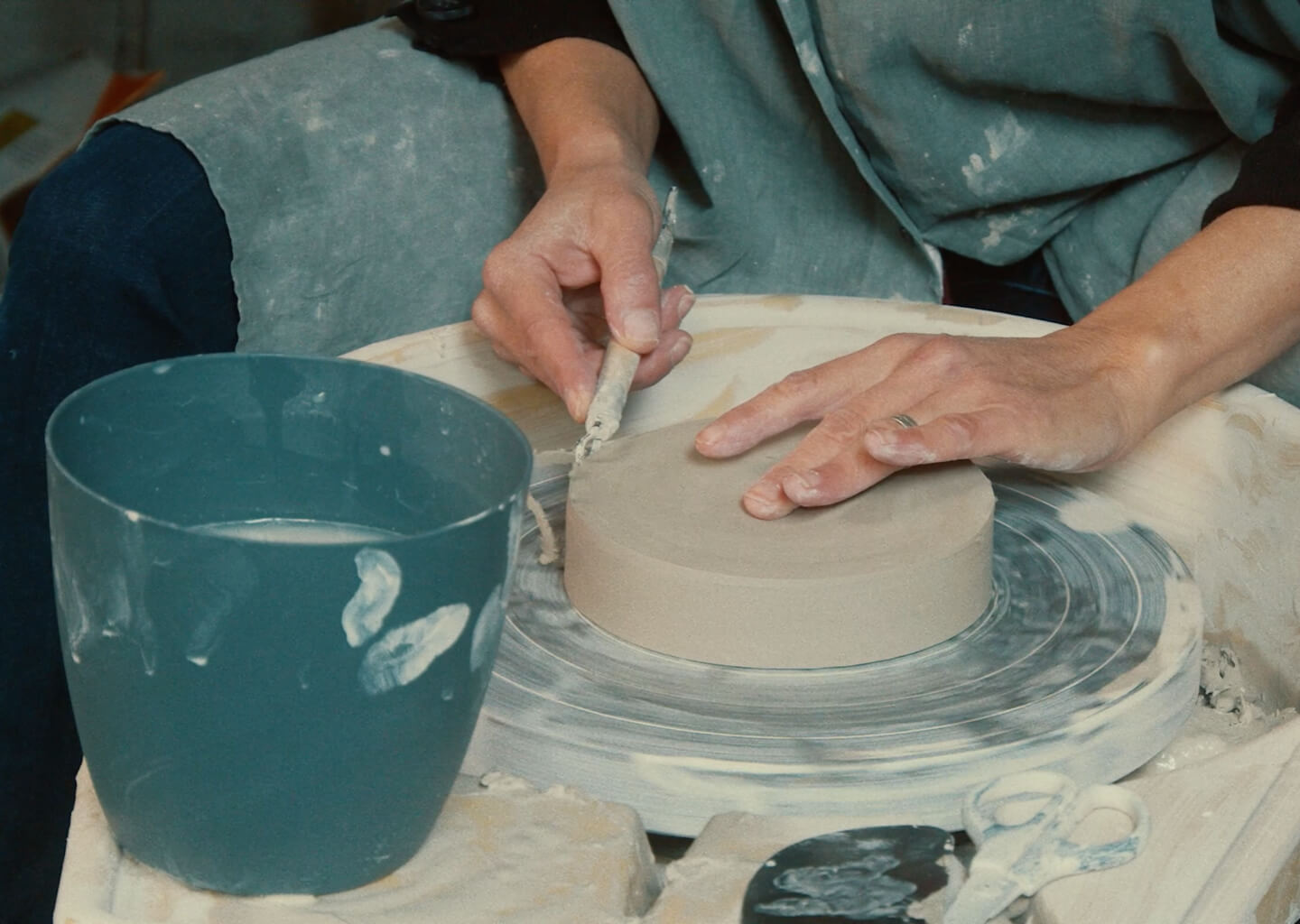
Trained in the deep tradition of earthenware in Martres-Tolosane, Stéphanie looks for her way from the legacy she received. In Martres-Tolosane, the workshops host the traditional motifs of flowers and birds with highly delicate handmade decorations that have lived on since the 18th century.
In those workshops, Stéphanie learnt the techniques and colours that she transforms into new motifs. Daily scenes and new brush-strokes transform that traditional universe respecting the legacy, reproducing the learnt movements and looking for a new language to express herself.
Credits
Stéphanie JoffreZoe and the dilated time
Description
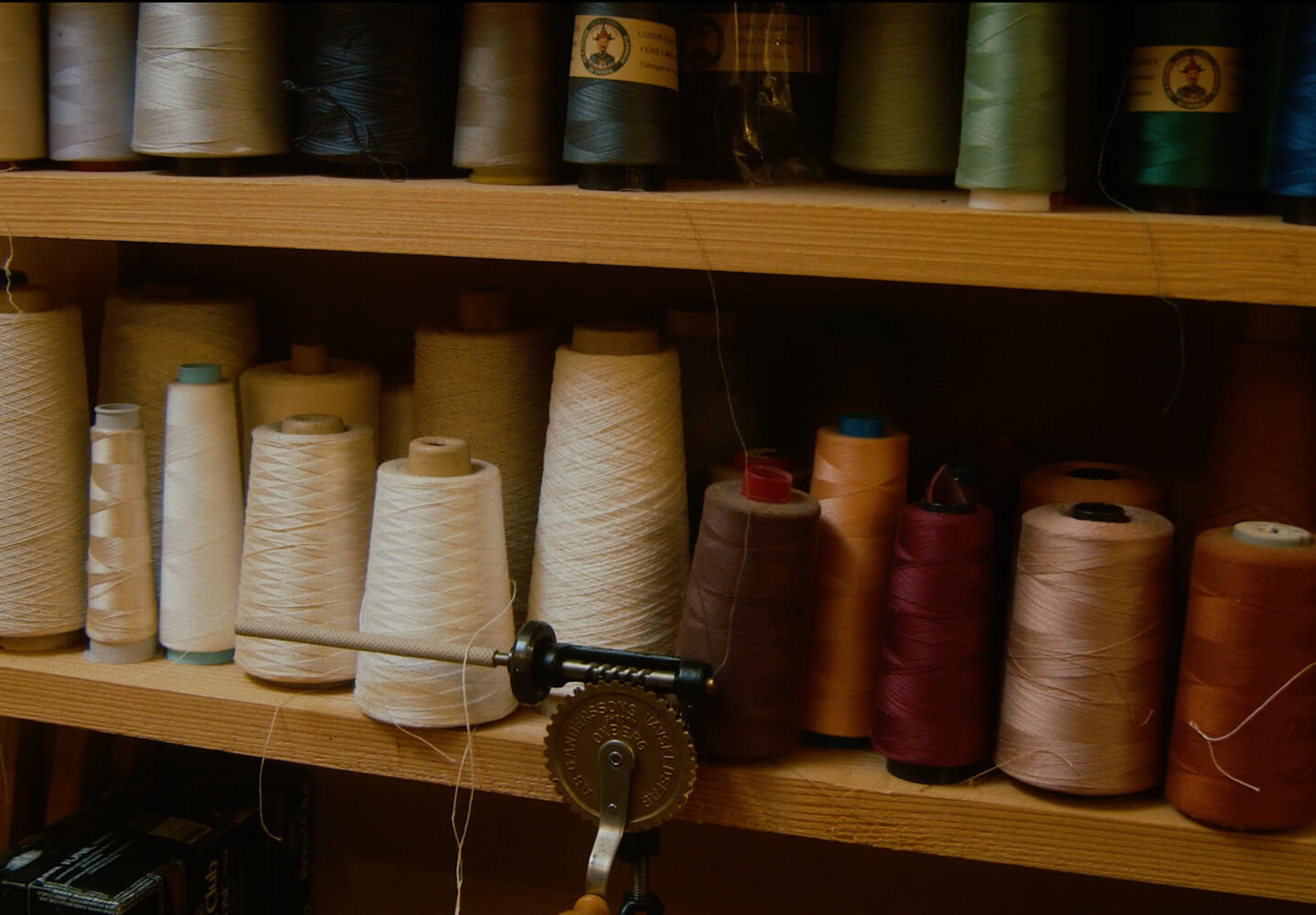
Zoe invites us to the universe of her workshop in Foix, where her creative work is marked by slowness and constant rhythm. Following a spiral movement to create jewels or the rhythm of the weaving loom, she draws up a work based on the repetition of movements that looks like a meditation process.
In contrast with the fast speed of industrial production, craft time allows us to become aware of the time of the making process and of the necessary moments to produce things: making a plant grow to obtain the raw material, collecting it, preparing it and spinning it.
Craft time becomes a dilated time in a society of immediacy.
Credits
Zoë MontaguMar, David and the movements of the future
Description
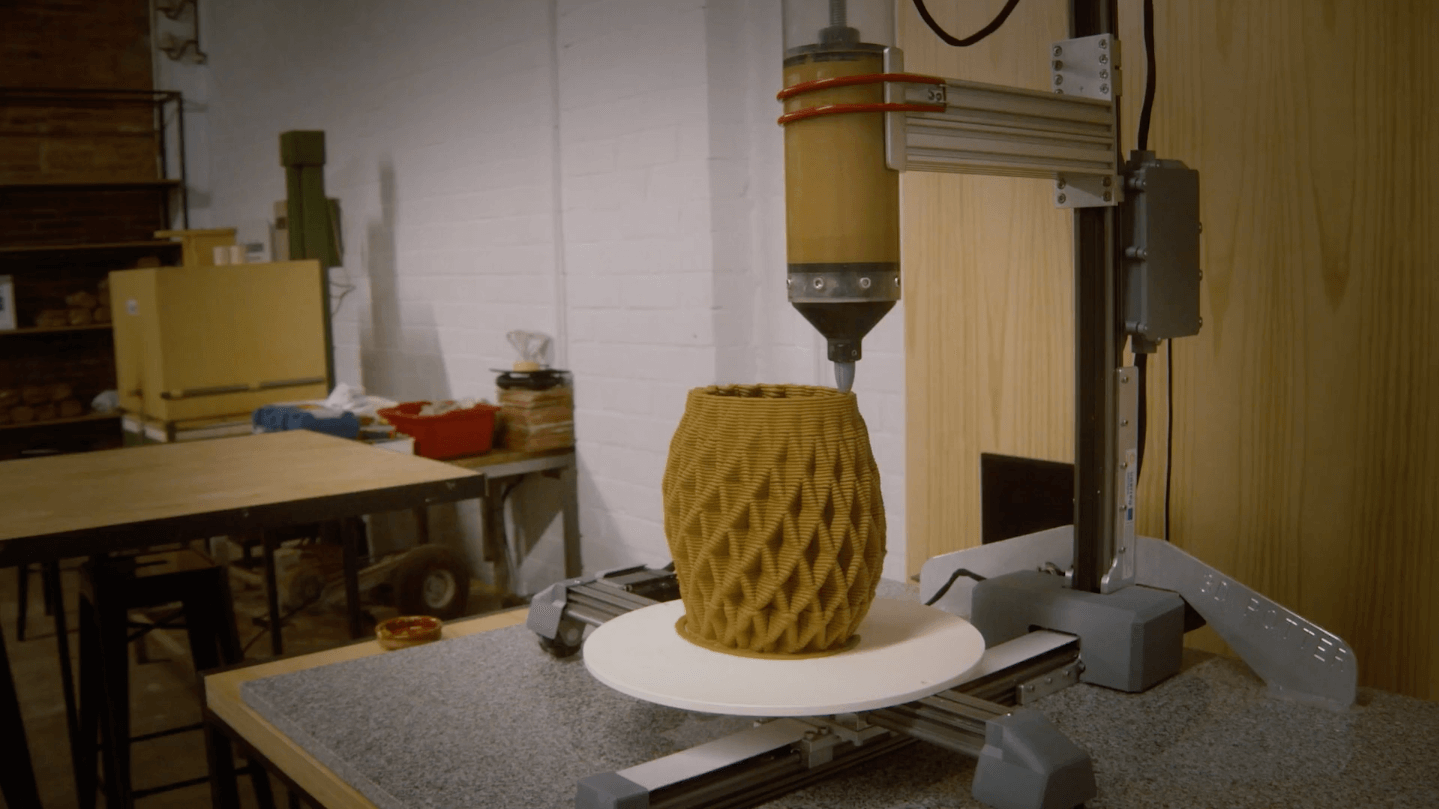
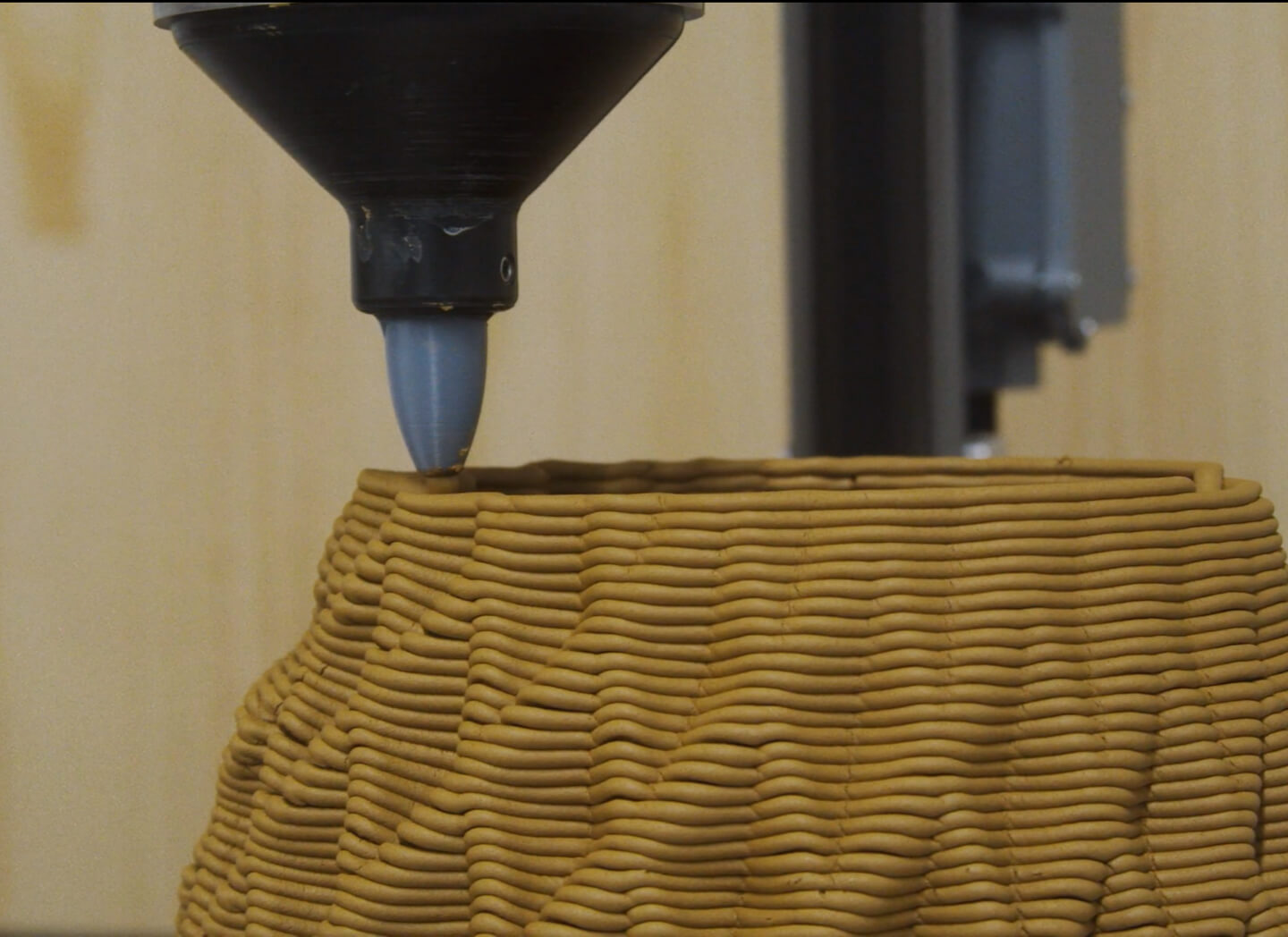
The arrival of new technologies poses uncertain questions to the craft world: what will the relationship be like between the machine and some hands that are used to touching the material? How can you make your work yours with the distance of the new technologies? How can you preserve the movements you have learnt from generation to generation?…
According to Mar, 3D printing opens new ways of creating and experimenting and replaces the repetitive processes which do not provide any added value to artisanal work. In the face of fear and uncertainty, David claims that machines become assistants and that there is no risk of losing the genuine artisanal touch: the life and the soul of a piece can only be obtained through the movement of craftsmen and craftswomen.
Credits
Ceramistes de La Bisbal David Rosell Perez Mar MarcelinoThe course of time
"The time involved in handmade work is the metric poesy of the object"
Richard Sennett
Handmade production draws a continuity line between the legacy of the past and the new movements that will produce the objects of the future. In this making process, the rhythm of the body, the presence of the human and the relationship with the machine gain strength.
Stéphanie and the legacy of Martres-Tolosane
Description
Trained in the deep tradition of earthenware in Martres-Tolosane, Stéphanie looks for her way from the legacy she received. In Martres-Tolosane, the workshops host the traditional motifs of flowers and birds with highly delicate handmade decorations that have lived on since the 18th century.
In those workshops, Stéphanie learnt the techniques and colours that she transforms into new motifs. Daily scenes and new brush-strokes transform that traditional universe respecting the legacy, reproducing the learnt movements and looking for a new language to express herself.
Credits
Stéphanie JoffreZoe and the dilated time
Description
Zoe invites us to the universe of her workshop in Foix, where her creative work is marked by slowness and constant rhythm. Following a spiral movement to create jewels or the rhythm of the weaving loom, she draws up a work based on the repetition of movements that looks like a meditation process.
In contrast with the fast speed of industrial production, craft time allows us to become aware of the time of the making process and of the necessary moments to produce things: making a plant grow to obtain the raw material, collecting it, preparing it and spinning it.
Craft time becomes a dilated time in a society of immediacy.
Credits
Zoë MontaguMar, David and the movements of the future
Description
The arrival of new technologies poses uncertain questions to the craft world: what will the relationship be like between the machine and some hands that are used to touching the material? How can you make your work yours with the distance of the new technologies? How can you preserve the movements you have learnt from generation to generation?…
According to Mar, 3D printing opens new ways of creating and experimenting and replaces the repetitive processes which do not provide any added value to artisanal work. In the face of fear and uncertainty, David claims that machines become assistants and that there is no risk of losing the genuine artisanal touch: the life and the soul of a piece can only be obtained through the movement of craftsmen and craftswomen.
Credits
Ceramistes de La Bisbal David Rosell Perez Mar Marcelino