Environment:
building our world
Mònica and the everyday nature of the making
Description
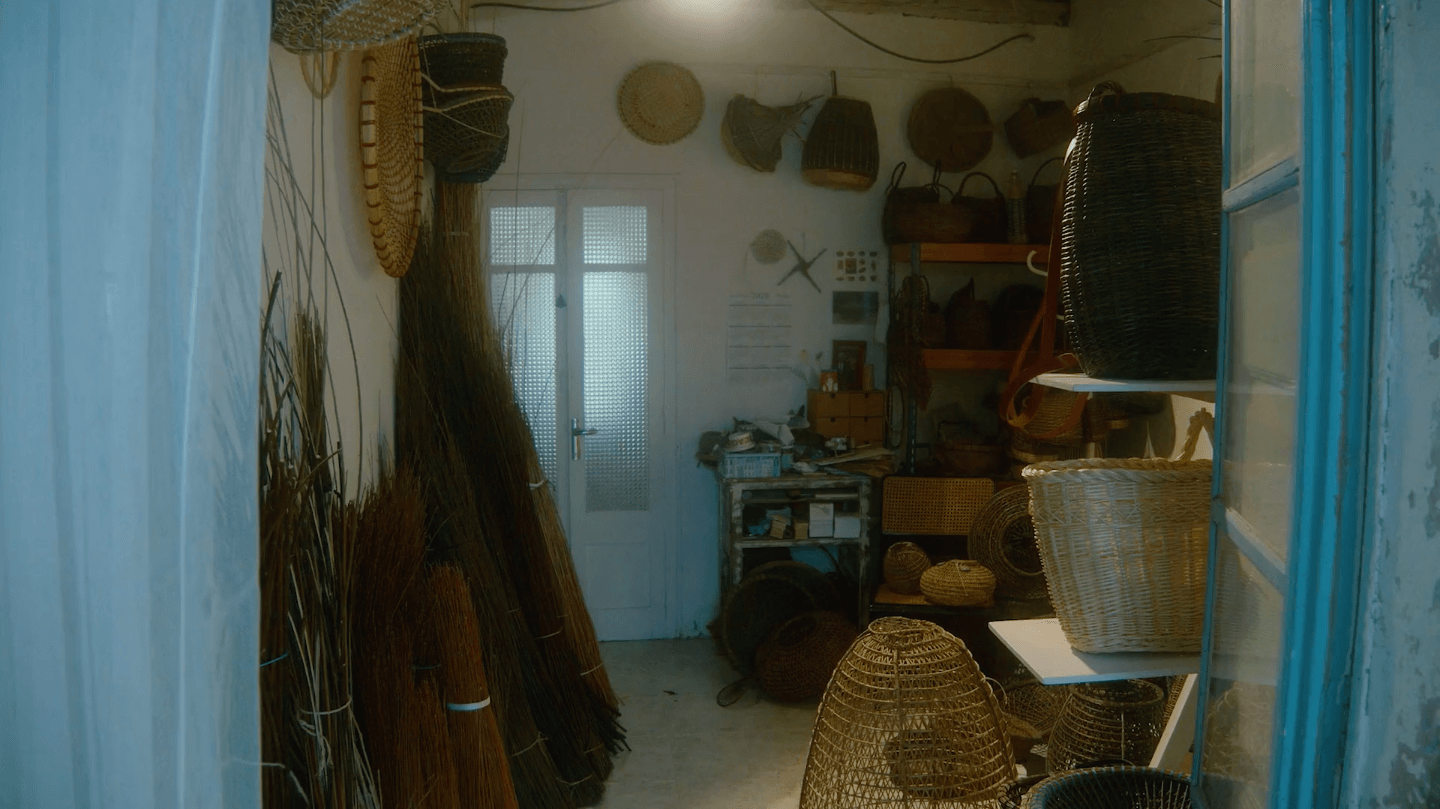
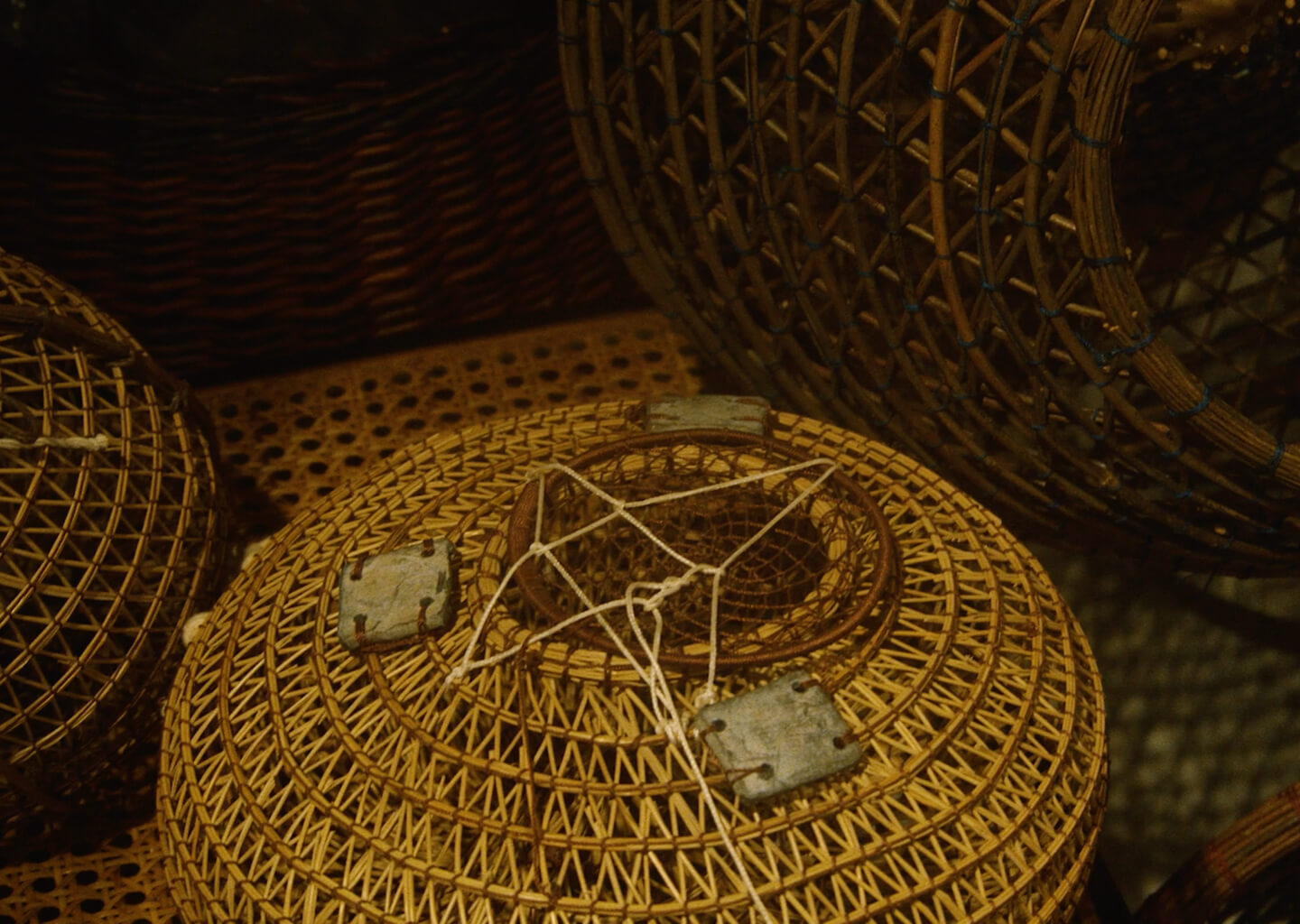
In accordance with traditional domestic arts and crafts, where the making of pieces used to be carried out together with other daily tasks, Mònica Guilera works and lives in her house-workshop in Vilanova i la Geltrú. Mingling life and work, she creates baskets and other objects with vegetable fibres and, in the making process, she builds her own world. She combines the traditional techniques of the Catalan basketwork with other specific ones such as the fishing basketwork, which she reinterprets, giving them a new life through the creation of contemporary objects.
She has become a basket maker to be a bit freer and speaks in favour of the historical legacy of basketwork and its current presence in order to link work, making process and daily object again, in search of a world of proximity.
Credits
Mònica Guilera SubiranaLina and the mountain weaving
Description
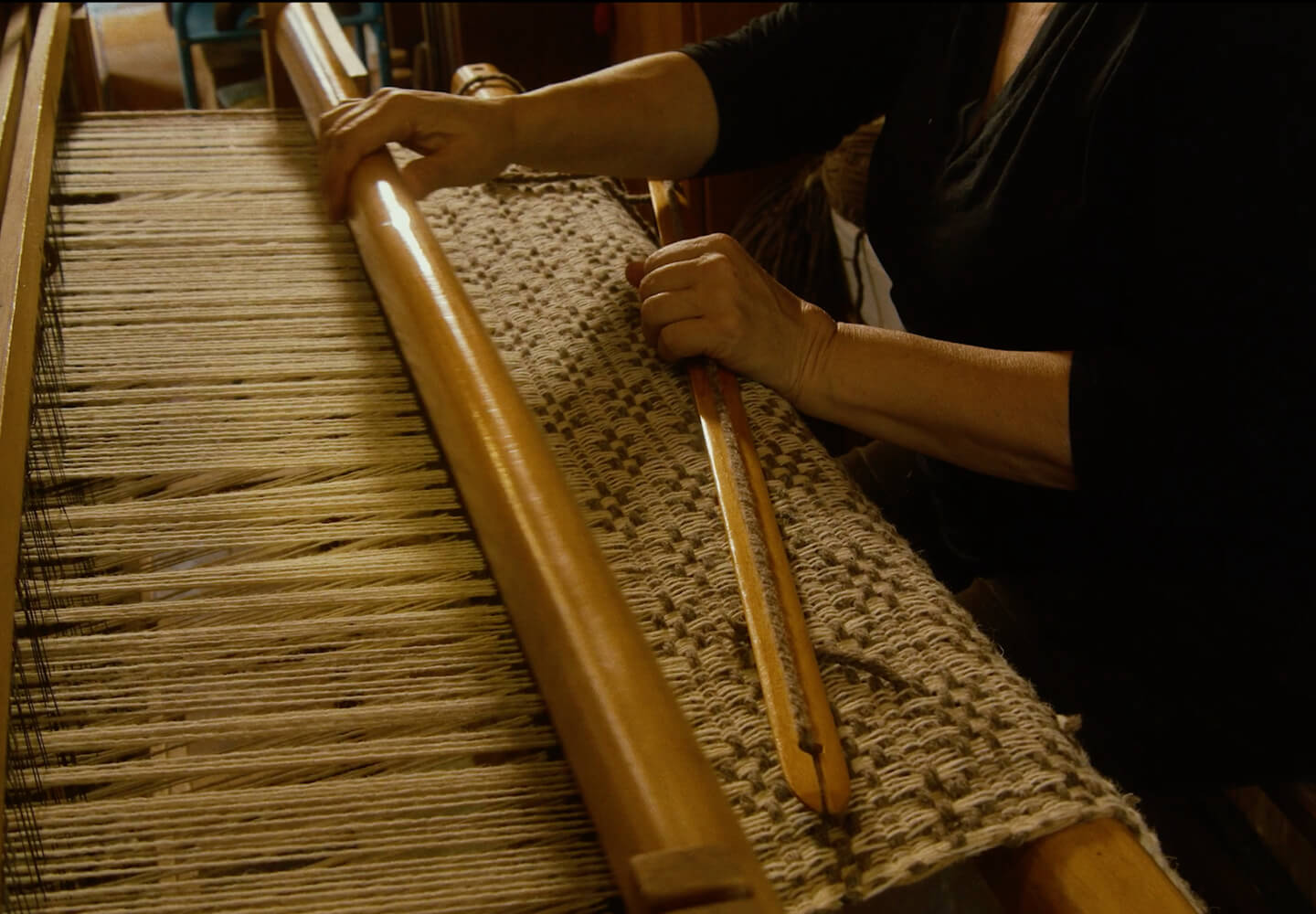
Settled in the heart of the Pyrenean mountains of Lleida, Lina embodies a double tradition: the typical domestic and rural weaving loom, deeply rooted in the Pyrenees; and the knitting table used in Terrassa’s textile industry that she would use with her family.
Lina dyes and makes vegetable printings (ecoprints) thanks to the plants she collects around and uses wools from businesses that attach importance to local resources.
Through the collection of the materials in the surrounding nature and her work at the workshop, Lina’s daily life becomes an act of care: her pieces both protect from the cold and preserve her environment.
Credits
Lina RatiaOlivia, Sarah and the cycle of wool
Description
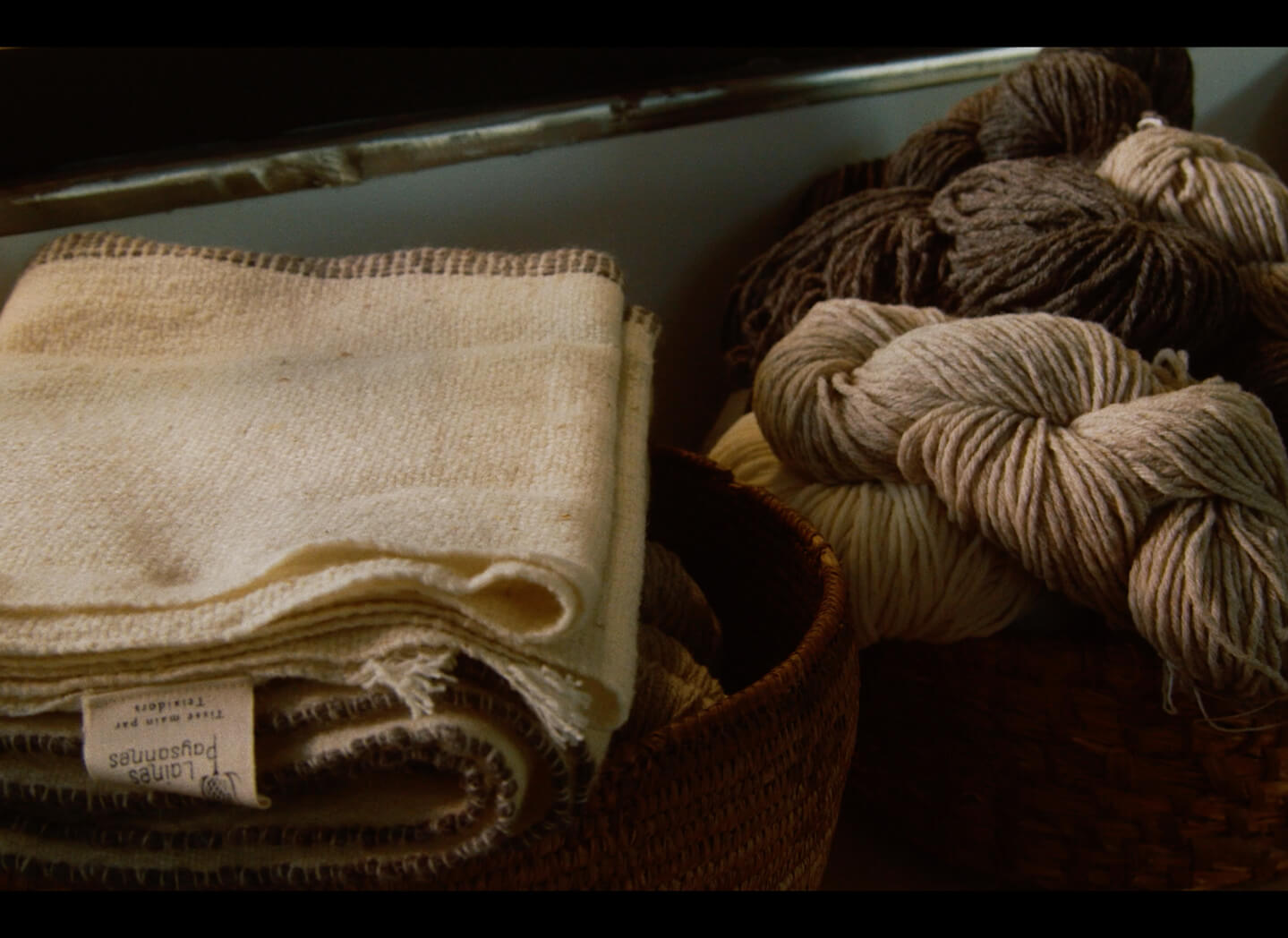
Going back to the living material and recovering its sense, linked to the natural seasons and cycles. This is the aim of Olivia and Sarah’s initiative, which promotes the revival of the wool in the Ariège region, a local raw material that had almost fallen in disuse in the mechanisms of industrial production.
Following the rhythm of the seasons, the project recovers the traditional cycles and habits: wool obtained by shearing, long manufacturing processes and creation of pieces through traditional techniques and movements that preserve the presence of handwork. This project is rooted in the territory and contributes to the growth of a series of agents who generate new material and social networks on a local scale.
Credits
Laines PaysannesEnvironment:
building our world
"The mark of handmade work transmits the evidence of human presence"
Maria Montessori
When they make their objects, men and women become the builders of their own world.
Pushed aside by modernity and industrial production, we see how the importance of traditional know-how, natural materials and link to the territory is coming back to the surface, reclaiming a new relationship with environment.
Mònica and the everyday nature of the making
Description
In accordance with traditional domestic arts and crafts, where the making of pieces used to be carried out together with other daily tasks, Mònica Guilera works and lives in her house-workshop in Vilanova i la Geltrú. Mingling life and work, she creates baskets and other objects with vegetable fibres and, in the making process, she builds her own world. She combines the traditional techniques of the Catalan basketwork with other specific ones such as the fishing basketwork, which she reinterprets, giving them a new life through the creation of contemporary objects.
She has become a basket maker to be a bit freer and speaks in favour of the historical legacy of basketwork and its current presence in order to link work, making process and daily object again, in search of a world of proximity.
Credits
Mònica Guilera SubiranaLina and the mountain weaving
Description
Settled in the heart of the Pyrenean mountains of Lleida, Lina embodies a double tradition: the typical domestic and rural weaving loom, deeply rooted in the Pyrenees; and the knitting table used in Terrassa’s textile industry that she would use with her family.
Lina dyes and makes vegetable printings (ecoprints) thanks to the plants she collects around and uses wools from businesses that attach importance to local resources.
Through the collection of the materials in the surrounding nature and her work at the workshop, Lina’s daily life becomes an act of care: her pieces both protect from the cold and preserve her environment.
Credits
Lina RatiaOlivia, Sarah and the cycle of wool
Description
Going back to the living material and recovering its sense, linked to the natural seasons and cycles. This is the aim of Olivia and Sarah’s initiative, which promotes the revival of the wool in the Ariège region, a local raw material that had almost fallen in disuse in the mechanisms of industrial production.
Following the rhythm of the seasons, the project recovers the traditional cycles and habits: wool obtained by shearing, long manufacturing processes and creation of pieces through traditional techniques and movements that preserve the presence of handwork. This project is rooted in the territory and contributes to the growth of a series of agents who generate new material and social networks on a local scale.
Credits
Laines Paysannes